Beyond the Sea: Gran Canaria's Prettiest Inland Villages
Lovely places to sip wine, linger over tapas, and let the island reveal its quieter, more authentic self.
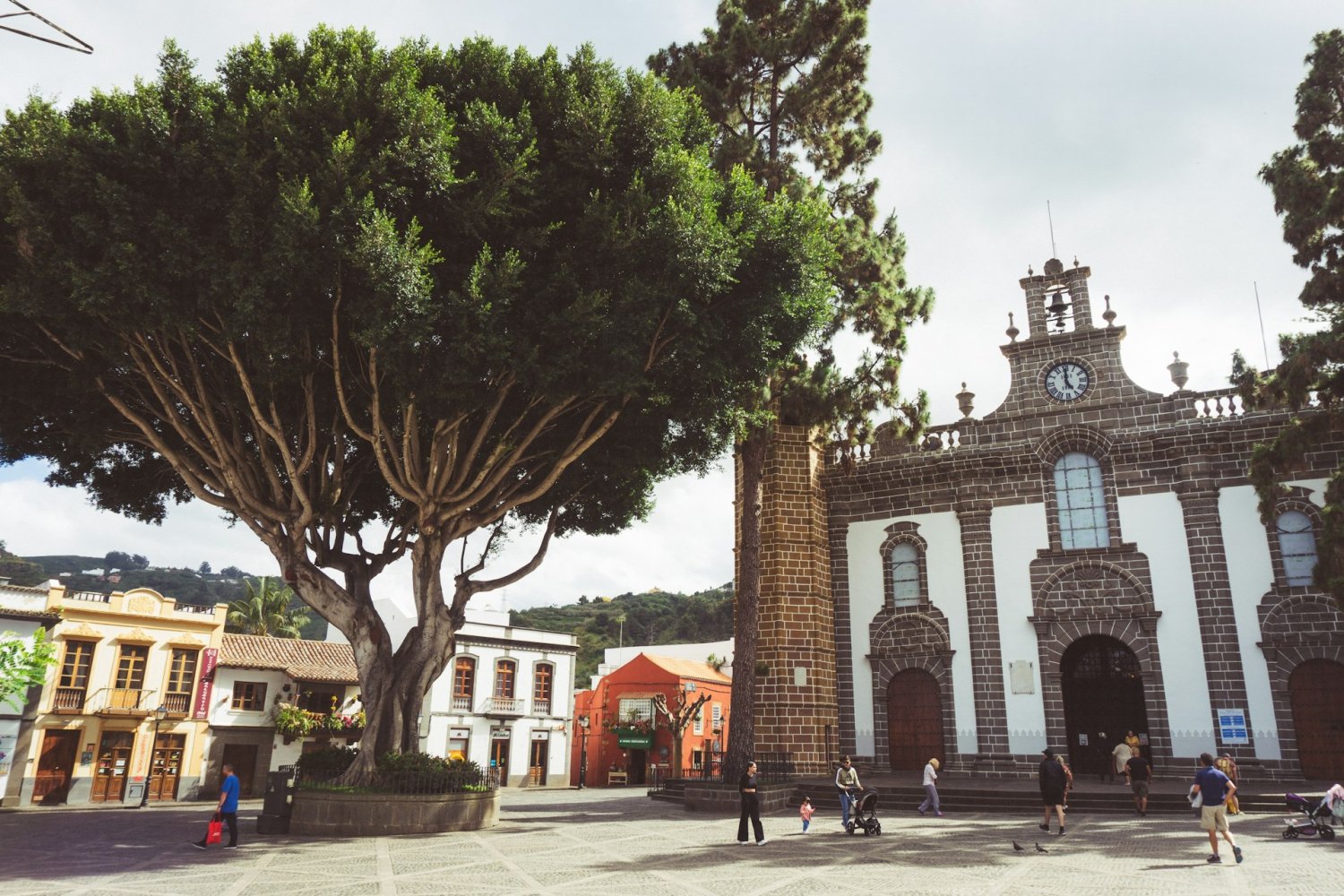
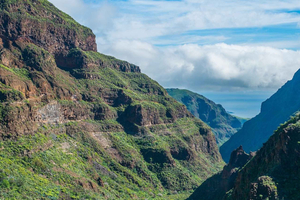
It’s easy to think the island is all about beaches, cocktails, and loungers. But head inland, away from the sun-slicked coastline, and you’ll discover a Gran Canaria that feels worlds apart - rugged mountain ridges, sleepy valleys, and villages so pretty they look like they were painted onto the landscape. This is where the Canarians go to breathe, eat well, and remember what their island really is.
In alphabetical order, here’s our top six pick of Gran Canaria’s prettiest inland villages.
Agaete: Where Coffee Meets the Sea
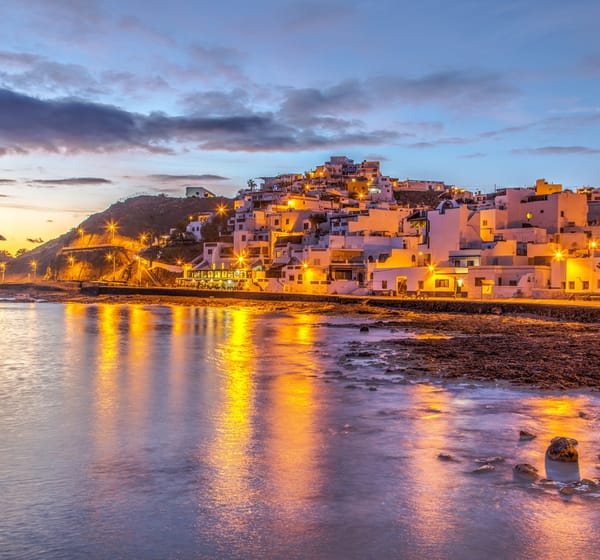
Though technically half coastal, half inland, Agaete deserves a spot for sheer variety. The Valle de Agaete is one of the greenest on the island, lush with orange groves, banana plantations, and Europe’s only coffee farms. Wander among whitewashed houses with blue trim, then head down to Puerto de las Nieves for fresh fish and sea views.
The blend of inland charm and coastal sparkle makes Agaete feel like two destinations in one.
Artenara: Welcome to the Rocks
At 1,270 metres, Artenara is the highest village on the island. The air here is thin and cool, and the views stretch forever to valleys folding into ravines and the ocean twinkling far below. But the real magic lies underground: Artenara is famous for its cave houses, some still used as homes, others as quirky restaurants and chapels carved into the rock.
It’s quiet, contemplative, almost mystical. When the clouds roll in and hug the cliffs, Artenara feels like a mountaintop village from a dream.
Fataga: The Valley of a Thousand Palms
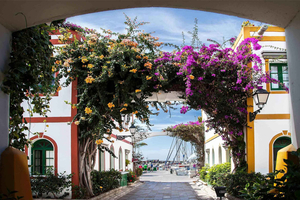
Driving through the arid south, you suddenly drop into a lush green valley and spot Fataga, one of Gran Canaria’s most charming villages. Narrow cobbled streets twist past whitewashed cottages, and bougainvillaea tumbles from balconies in riotous colour.
It’s an artist’s paradise, often compared to a living postcard. Cafés spill onto terraces shaded by palms, while donkeys (yes, actual donkeys) sometimes plod the lanes. Take time to wander, every corner feels like it’s hiding a secret.
Tejeda: Where the Mountains Touch the Sky
If Gran Canaria had a poster child for beauty, Tejeda would be it. Perched 1,000 metres up in the mountains, it’s a scatter of whitewashed houses set against a backdrop of dramatic volcanic peaks. From here, you can see the mighty Roque Nublo, a 70-metre-high volcanic rock that looks like nature stuck a finger in the air and froze it.
February is magical, the almond blossom festival paints the hillsides in pink and white, and the whole village smells like honey and almonds. Bakers turn out almond cakes, biscuits, and marzipan that practically insist you take some home.
Teror: Balconies and Basilicas
Teror (yes, the name makes visitors raise an eyebrow) is the island’s spiritual heart. At its centre stands the Basilica of Our Lady of the Pine, home to Gran Canaria’s patron saint. Pilgrims flock here, candles in hand, but you don’t have to be religious to feel the serenity.
What really steals the show are the wooden balconies that line the streets. Painted in bright colours and dripping with geraniums, they’re the kind of architectural details Instagram dreams of. Sundays bring Teror’s famous market, a feast of cheeses, local chorizo, and sweets that’ll derail any diet.
Santa Lucía de Tirajana: Palms and Tradition
Nestled in a fertile valley, Santa Lucía is the kind of village that makes you slow down. Think palm groves swaying in the breeze, houses with terracotta roofs, and old men playing dominoes in shady squares. It’s one of the best bases for hikes, with trails leading into ravines and up to viewpoints that’ll have you fumbling for superlatives.
The pace is slow, but that’s the whole point. Order a strong cortado coffee, sit back, and let the day drift by.
Gran Canaria’s prettiest inland villages prove the island is more than just beaches. Each has its own rhythm. From Agaete’s fertile valley, Artenara’s cave dwellings, Fataga’s storybook streets, to Tejeda’s mountain drama, Teror’s balconies and Santa Lucía’s palm-shaded calm. These are all places to sip wine, linger over tapas, and let the island reveal its quieter, more authentic self.
Beyond the Sea: Gran Canaria's Prettiest Inland Villages - FAQs for Visitors
Why should I visit the inland villages at all?
Because they show you the real Gran Canaria, the one of pine forests, village fiestas, and locals chatting in shady squares. You’ll swap beach towels for bell towers, almond trees, and the kind of quiet that feeds the soul.
Are there places to stay overnight?
Yes. You’ll find boutique rural hotels, converted fincas, and a few cosy cave houses in places like Artenara and Tejeda. Staying overnight gives you the sunset and stars, both incredible at altitude.
What should I eat or drink while I’m there?
Try chorizo de Teror, almond pastries in Tejeda, and local goat cheese pretty much everywhere. Wash it down with a glass of island wine or a barraquito coffee (with condensed milk and a naughty hint of liqueur).
Is there public transport to these villages?
Yes, but buses (Guaguas Global) can be infrequent, especially on weekends.
How easy are they to reach by hire car?
Surprisingly easy, though expect winding mountain roads. Everything’s within 60–90 minutes from the main resorts, so the villages make excellent day trips.
Are these villages good for walking or hiking?
Absolutely. Each sits at the heart of a web of trails, from the dramatic ridge walks around Tejeda to the gentler paths near Fataga and Santa Lucía.
Are these villages touristy?
Not overly. You’ll find some day-trippers, but most still feel lived-in and authentic. Tejeda and Teror get the most visitors, especially on Sundays, while others like Artenara or Fataga remain peaceful retreats.
When’s the best time to visit?
Any time of year, though spring and early autumn are ideal, cooler weather, clear skies, and fewer crowds. February brings almond blossom season in Tejeda, which is stunning.
How's the weather and climate inland?
Expect temperatures to drop 5–10°C lower than the coast, especially above 1,000 metres. Winters can bring mist, drizzle, and even frost at the highest points; locals sometimes wake to dustings of snow around Roque Nublo. Best always to bring a jacket when exploring inland.
When do the village fiestas take place?
Throughout the year, your hotel and local tourist board will know this years exact dates. Expect folk music, food and traditional Canarian dress. Arrive early to park, stay late to party.