Getting Ill or Injured on Holiday in Gran Canaria
What Happens When Paradise Meets Reality
Nobody books a holiday imagining themselves searching for a pharmacy at midnight with food poisoning, hobbling into a clinic after slipping around the pool, or sitting in a waiting room wondering whether sunstroke counts as ‘serious enough’ to call the insurance company.
And yet, eventually, somebody in every travelling group becomes that person.
Holiday illness has a particular cruelty to it. Everything feels slightly amplified when you’re abroad. A twisted ankle suddenly becomes a logistical puzzle. A stomach bug feels ten times worse when your hotel room overlooks a swimming pool full of cheerful strangers drinking cocktails.
The good news is this: if you’re going to get ill or injured abroad, Gran Canaria is actually one of the better places for it to happen.
The island has excellent healthcare infrastructure, plenty of English-speaking medical staff in tourist areas, modern pharmacies, private clinics geared towards visitors, and hospitals capable of handling everything from dehydration and fractures to more serious emergencies.
In short, while nobody wants their holiday interrupted by illness, Gran Canaria is reassuringly prepared for it.
The Most Common Holiday Mishaps
Most medical issues tourists face here are far more mundane than dramatic.
Sunburn tops the list every single year. Northern Europeans arrive in February or March, feel pleasantly deceived by the mild breeze, and underestimate the strength of the Canarian sun. By evening, they resemble overcooked prawns and regret every life decision that led them to skipping sun cream.
Then there’s dehydration.
Gran Canaria’s climate is dry, especially in the south. Add hiking, cycling, alcohol, beaches and long sunny days, and people often simply forget to drink enough water. Dizziness, headaches and exhaustion creep in quietly.
Stomach issues are also common - though usually mild.
Sometimes it’s unfamiliar food, sometimes too much rich restaurant dining combined with holiday enthusiasm. Occasionally it’s just the body protesting against sangria at lunchtime.
And of course, there are injuries.
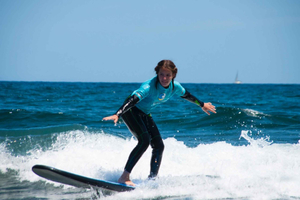
Slippery pool tiles, hiking falls, cycling accidents, surf mishaps and enthusiastic but poorly judged flip-flop adventures account for a remarkable number of holiday clinic visits every year. The island’s scenic terrain encourages activity - and activity occasionally bites back.
Medical Facilities in Gran Canaria
One of the biggest surprises for many visitors is how modern and accessible healthcare is here.
Gran Canaria has both public hospitals and a strong private healthcare system. In tourist-heavy areas like Maspalomas, Playa del Inglés and Puerto Rico, clinics are well accustomed to dealing with foreign visitors.
If you hold a valid GHIC or EHIC card, you may be entitled to state healthcare in public facilities under the same conditions as Spanish residents. But importantly - and this catches people out - travel insurance is still absolutely essential!
Private clinics are often quicker, more tourist-friendly and more comfortable for non-emergency situations.
Some of the island’s best-known medical facilities include:
- Hospital Universitario Insular de Gran Canaria (Las Palmas)
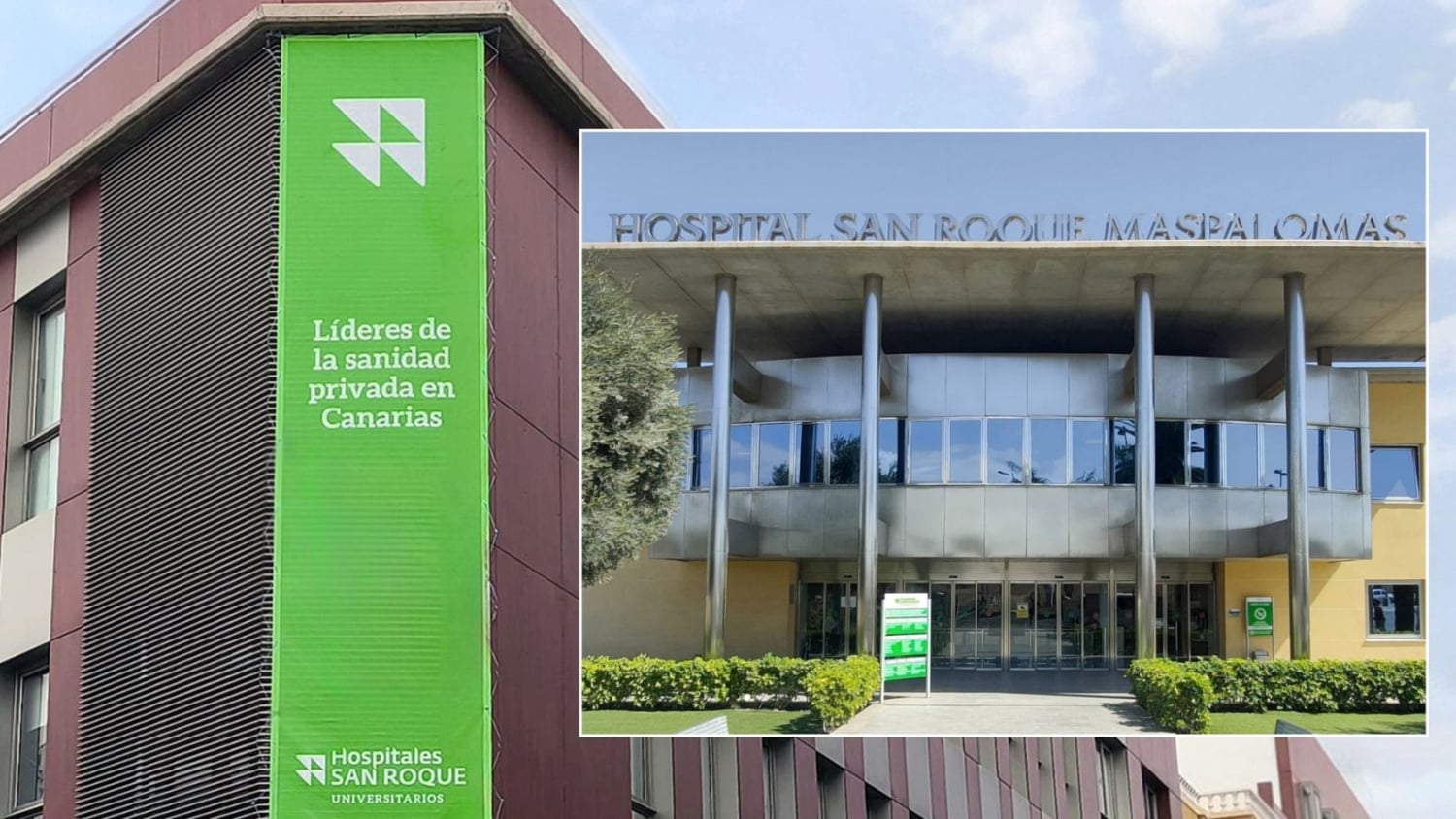
- Hospital San Roque (Maspalomas)
- Hospiten Roca (San Augustin)
- Numerous 24-hour pharmacies and urgent care clinics
What Happens in an Emergency?
If something serious happens, the emergency number in Spain is 112.
Operators can usually provide assistance in English, and emergency response times in populated areas are generally good.
For severe injuries or chest pain, don’t attempt to ‘wait it out’ in your hotel room because you don’t want to ‘cause a fuss.’ Holidaymakers are remarkably determined to minimise symptoms until things become significantly worse.
If in doubt, get checked.
Ambulances, emergency clinics and hospitals are accustomed to dealing with tourists. The process can feel unfamiliar at first, but healthcare professionals on the island are generally calm, efficient and reassuring.
Pharmacies: The Quiet Heroes of Holiday Recovery
Spanish pharmacies are excellent. Honestly, they deserve more appreciation.
Marked by a green illuminated cross, pharmacies (Farmacias) are often your first and best stop for minor illnesses. Pharmacists in Gran Canaria are knowledgeable and frequently speak enough English to help tourists navigate common issues quickly.
Need rehydration salts? Sunburn treatment? Antihistamines? Blister plasters after an overconfident mountain walk? They’ll sort you out.
There are also rotating 24-hour pharmacies across the island, so even late-night emergencies are manageable.
Quite a few holiday disasters are solved entirely by a pharmacist, a litre of water and a quiet night in.
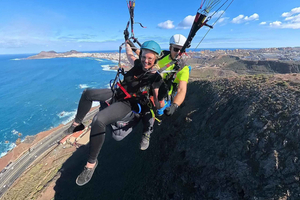
Adventure Comes with Risk
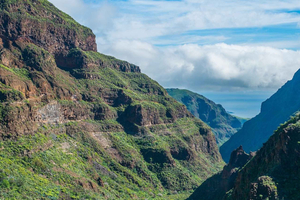
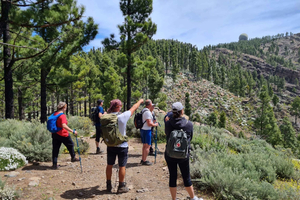
Gran Canaria’s growing popularity for hiking and cycling has naturally increased outdoor injuries too. The mountains are stunning, but they’re not theme parks.
People underestimate distances, overestimate fitness levels, or head into trails wearing trainers designed more for airport lounges than volcanic terrain. Heat exhaustion, twisted ankles and dehydration are among the most common hiking issues.
Cyclists face different challenges: steep descents, sharp bends and sudden changes in weather higher up in the mountains.
The key is preparation. Carry more water than you think you need. Wear proper footwear. Check weather conditions before heading inland. And if a route looks ambitious, there’s no shame in turning back.
The island rewards sensible adventurers far more kindly than reckless ones.
Why Travel Insurance Matters More Than People Think
Nobody enjoys buying travel insurance. It feels boring and faintly pessimistic - like paying in advance for bad luck.
Until you need it.
Private healthcare costs can rise quickly if scans, overnight stays or specialist treatment become necessary. Even relatively small incidents can become expensive without cover. More importantly, insurance provides practical support: medical guidance, transport coordination, emergency assistance and peace of mind.
And peace of mind matters enormously when you’re ill abroad.
The Psychological Side Nobody Talks About
Being ill on holiday can feel oddly emotional.
When you’re away from home, routines vanish. Familiar comforts disappear. Suddenly you’re vulnerable in an unfamiliar environment, perhaps struggling with language barriers or simply feeling isolated.
Solo travellers often feel this particularly strongly. The important thing to remember is that Gran Canaria deals with tourist healthcare constantly. You are not the first person to develop heat exhaustion halfway through a hike or spend two days regretting buffet decisions.
People will help - hotel staff, pharmacists, clinic workers, even fellow travellers are usually surprisingly kind when things go wrong.
And once you recover, the island is still there waiting for you - the beaches, mountains, cafés and sunsets don’t disappear just because your holiday briefly took an unexpected detour.
Bite Sized: Emergency Dental Treatment in Gran Canaria
A toothache has an uncanny ability to ruin even the most perfect holiday. One minute you're enjoying fresh seafood overlooking the Atlantic, and the next you're desperately searching online for a dentist while clutching the side of your face. Fortunately, if dental trouble strikes during your stay in Gran Canaria, help is usually close at hand.
The island has a large number of modern dental clinics, particularly in tourist areas such as Maspalomas, Playa del Inglés, Puerto Rico and Las Palmas. Many dentists are experienced in treating international visitors and often have English-speaking staff, making the process far less stressful than many travellers expect.
Common dental emergencies treated include severe toothache, broken or chipped teeth, lost fillings or crowns, dental infections and damage caused by accidents or sports injuries. Most clinics offer same-day appointments for urgent cases, and some provide out-of-hours emergency services.
It's worth remembering that emergency dental treatment is not typically covered by a GHIC or EHIC card, so comprehensive travel insurance is strongly recommended. Keep all receipts and treatment records if you need to make a claim.
The best advice is not to ignore the problem. Dental issues rarely improve on their own and can quickly become more painful. Thankfully, Gran Canaria's excellent dental facilities mean that even an unexpected dental emergency doesn't have to bring your holiday enjoyment to an abrupt end.
Final Thoughts
Nobody wants illness or injury to become part of their holiday story. But if it does happen, Gran Canaria handles it better than most destinations.
The island combines good healthcare, experienced medical professionals, tourist-friendly services and a calm atmosphere that somehow makes difficult situations feel less overwhelming. Most problems tourists encounter are minor and manageable. And even when things become more serious, help is usually close at hand.
So pack your sunscreen, drink more water than you think necessary, wear sensible shoes and clothing on mountain trails - and remember that while holidays rarely go perfectly, Gran Canaria is a pretty good place to land when life briefly goes off-script.
Getting Ill or Injured on Holiday in Gran Canaria - FAQs for Visitors
What’s the emergency number in Gran Canaria?
Dial 112 for emergencies anywhere in Spain. Operators can usually assist in English.
Are there English-speaking doctors on the island?
Absolutely - especially in tourist areas like Maspalomas, Playa del Inglés, Puerto Rico and Las Palmas.
Is healthcare in Gran Canaria good for tourists?
Yes. The island has modern hospitals, private clinics, pharmacies and emergency services that are very accustomed to dealing with international visitors.
Can UK travellers use the GHIC or EHIC card?
Yes. UK visitors with a valid GHIC or EHIC card can access state healthcare in public facilities under the same conditions as Spanish residents.
Do I still need travel insurance?
Absolutely. GHIC/EHIC cards do not cover everything, especially private treatment, mountain rescue, repatriation or additional accommodation costs.
What should I pack medically for my trip?
Sun cream, pain relief, rehydration tablets, blister plasters, insect repellent and of course, any prescription medication you regularly take.
What are the most common tourist illnesses?
Sunburn, dehydration, stomach upsets, heat exhaustion and minor injuries are among the most common issues visitors experience.
What should I do if I get injured while hiking or cycling?
Seek help immediately if the injury is serious. Carry water, a charged phone and let someone know your route before heading into remote mountain areas.
Is tap water safe to drink?
Generally yes, though visitors should stick bottled water due to taste and mineral content.
What’s the best way to avoid getting ill on holiday?
Stay hydrated, wear sunscreen, avoid overexertion in extreme heat, eat sensibly, and don’t underestimate the island’s climate or terrain.