Tejeda
Nestled high in the heart of Gran Canaria, tranquil Tejeda feels as though it belongs to another time.
Visit Tejeda in the late afternoon, stay for sunset over the mountains, then linger after dark when the clear skies reveal an astonishing blanket of stars.
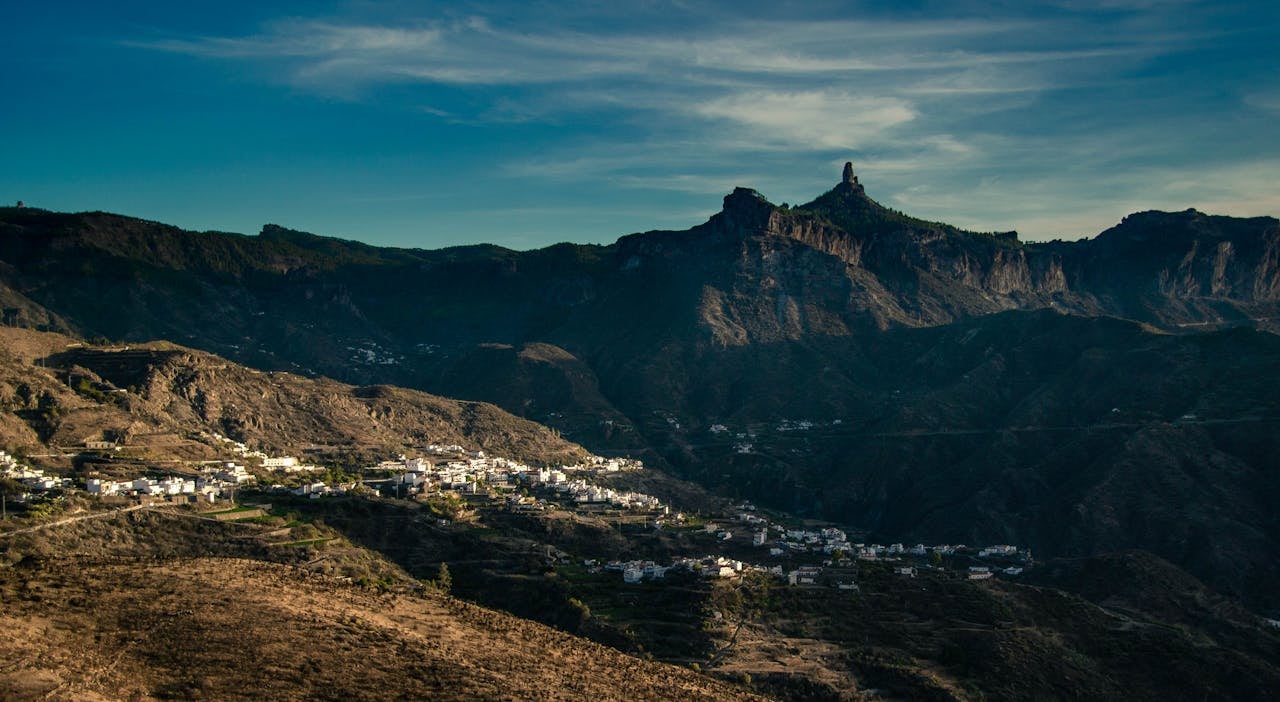
Nestled high in the beating heart of Gran Canaria, Tejeda feels as though it belongs to another time. The landscape is rugged, the air crisp, and somehow - despite the island’s tourist bustle in the south - you sense here a quiet dignity.
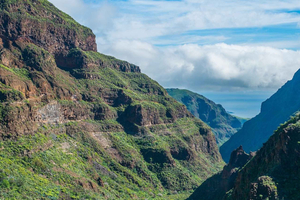
One of Gran Canaria's prettiest villages, Tejeda lies at around 1,050 metres above sea level, within a broad volcanic caldera ringed by jagged peaks and ravines. It’s a place of white-washed houses and narrow lanes, almond orchards, and winding mountain roads. The daily rhythm is quieter here. Locals pause to chat, elders tend tiny plots, and on a clear evening the moonlight spills across distant peaks like a soft cloak.
What draws many here is wandering off the beaten track, to the rock pillars dominating the skyline, Roque Nublo and Roque Bentayga. The former, a basalt monolith rising over seventy metres, is the symbol of Gran Canaria. You can hike to it in a couple of hours and be rewarded with panoramic views over the island, even stretching to Tenerife when visibility allows. Bentayga, meanwhile, is more than a rock: it was sacred to the ancient Guanche people, and here you’ll find archaeological remains and cave shrines (Cuevas del Rey, almogarén, carvings) that whisper of ritual and memory.
The municipality of Tejeda also forms part of the Sacred Mountains of Gran Canaria, a UNESCO-inscribed “cultural landscape” that incorporates cave sanctuaries, rock art, and old footpaths (caminos reales). You feel that the human and the natural have grown together over centuries - every ridge and ravine seems to hold a memory.
In the village itself, stroll through the lanes to the Parish Church of Nuestra Señora del Socorro (a stately but modest church, built in the early 20th century) and pause in the plazas. At the Cruz de Tejeda, a stone cross marks the centre of the island, with lookouts that frame Roque Bentayga, Roque Nublo, and, if the air is clear, Teide in distant Tenerife. Around the Parador Nacional by Cruz de Tejeda, local artisans set up stalls selling sweets, marzipans, crafts and almond-infused delicacies.
Almonds are woven into Tejeda’s identity. Many of the town’s sweetest dishes - bienmesabe, marzipan cakes, and other confections have almonds at their heart. You’ll find cafes where the air smells faintly of toasted nuts and honey. The rugged hillsides around Tejeda carry terraces, orchards, and cultivated plots, worked carefully on steep slopes.
For walkers, Tejeda is a delight. Hiking trails thread through pine forests, cross ridges, dip into ravines, and present ever-changing vistas. The Inagua and Ojeda reserves are places of magic: wild flora, tall Canary pines, and the hush that comes with altitude. And if you’re curious about geology, the Fuente de los Azulejos is one of those geological oddities near the Tejeda caldera, walls painted in mineral tones as if nature were an artist.
Tejeda today is small in population, under 2,000 in recent counts, but large in presence. Tourism is modest, respectful of place. Local infrastructure has seen improvements in recent years, encouraging visitors to linger without spoiling the essence. The push now is to stabilise population, preserve heritage, and share the quiet splendour.
So settle on a bench at dusk, watch the shadows lengthen over the crags, sip a cup of café con leche, and note how light plays on the rocks. Listen to dog barks echo off ravines, feel the cool wind at altitude, and recognise that this is a place you don’t just see - you absorb.
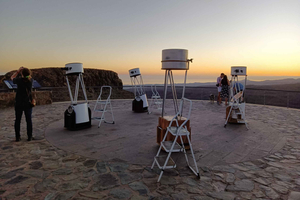
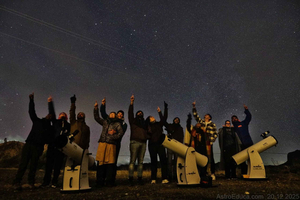
And, if time is on your side, and there's no pressing reason to head back to the coastal bright lights, consider staying in Tejeda a little longer and joining an out of this world guided hiking and astronomy tour. Beneath some of Europe’s clearest skies, you'll pause, mouth wide open, at a spectacular cosmic display while an expert guide points out the constellations, planets and the Milky Way.
Tejeda - FAQs for Visitors
How far is Tejeda from the south of the island?
From southern resort areas like Maspalomas & Playa del Inglés, about 48–50 km. It should take around an 1-hour 10-minutes in a car.
Is the drive up to Tejeda difficult?
Not difficult, but twisty. Roads are well-paved yet narrow in places with sharp bends. Take it steady, enjoy the views, and allow extra time for photo stops (and motion sickness, if you’re prone!).
Where can I park in Tejeda?
There’s free public parking near the centre and the church area, plus additional spaces by the tourist information office. It can get busy on weekends, so arrive early.
Is there a bus service from the south?
Sure is. Global buses line 18 runs from Maspalomas via San Bartolomé de Tirajana to Tejeda. The journey takes around 1-hour 50-minutes.
Are there places to stay in or near Tejeda?
Absolutely, though the style is more rural mountain lodge, small hotel and guesthouse than big beach-resort hotels.
When is the best time to visit Tejeda?
Spring and autumn are ideal - cool but pleasant, fewer clouds, good for walking. Summer can be warm and bright; winters may be colder and misty. Whatever time of year, pack a light jacket.
Is there a market or local produce I can buy?
On weekends, local stalls near Cruz de Tejeda sell cheeses, honey, and almond treats. In February, there’s even a Fiesta del Almendro en Flor (Almond Blossom Festival) celebrating local produce.
What kinds of walking or hiking options are available?
Trails of varying difficulty, ridge walks, routes to Roque Nublo, forest paths in Inagua, circuits via Cruz de Tejeda
Is Tejeda worth visiting if I’m not into hiking?
Even without hiking boots, you’ll love wandering the cobbled streets, visiting viewpoints like Cruz de Tejeda, tasting almond sweets, or simply soaking up the tranquillity.
What’s a must-see viewpoint near Tejeda?
Mirador de Cruz de Tejeda for 360-degree views of the caldera and the sea, or Mirador de La Degollada de Becerra for breathtaking sunsets over Roque Nublo.