Playa de Vargas
Where Surf Meets Solitude on the Wild East Coast
 Tucked away on the east coast of Gran Canaria, Playa de Vargas is a beach that doesn’t shout for attention. Rather, it whispers in the hiss of wind, the crash of waves, and the steady clink of pebbles underfoot. It’s not your typical tourist suntrap. Instead, this is a place for wind-lovers, campers and those who want a wilder, more elemental slice of Gran Canaria’s coastline.
Geographically, Vargas belongs to the municipality of Agüimes, perched between the areas of Arinaga in the south and Carrizal in the north. The shoreline stretches for about 1,300 metres, though it’s only around 15 metres wide in places. The beach is composed mostly of dark, volcanic pebbles - round, smooth stones - but when the tide retreats, a strip of sand peeks through.
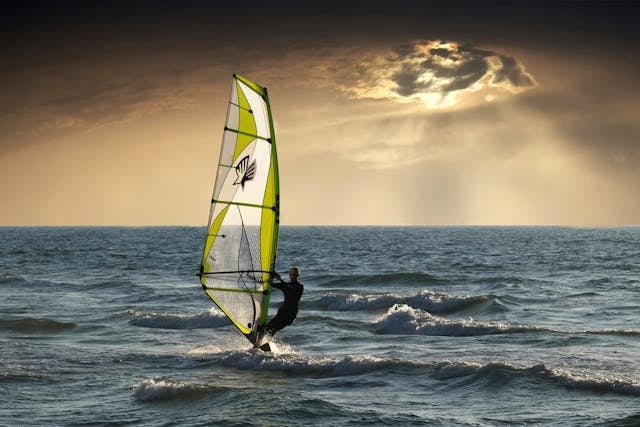
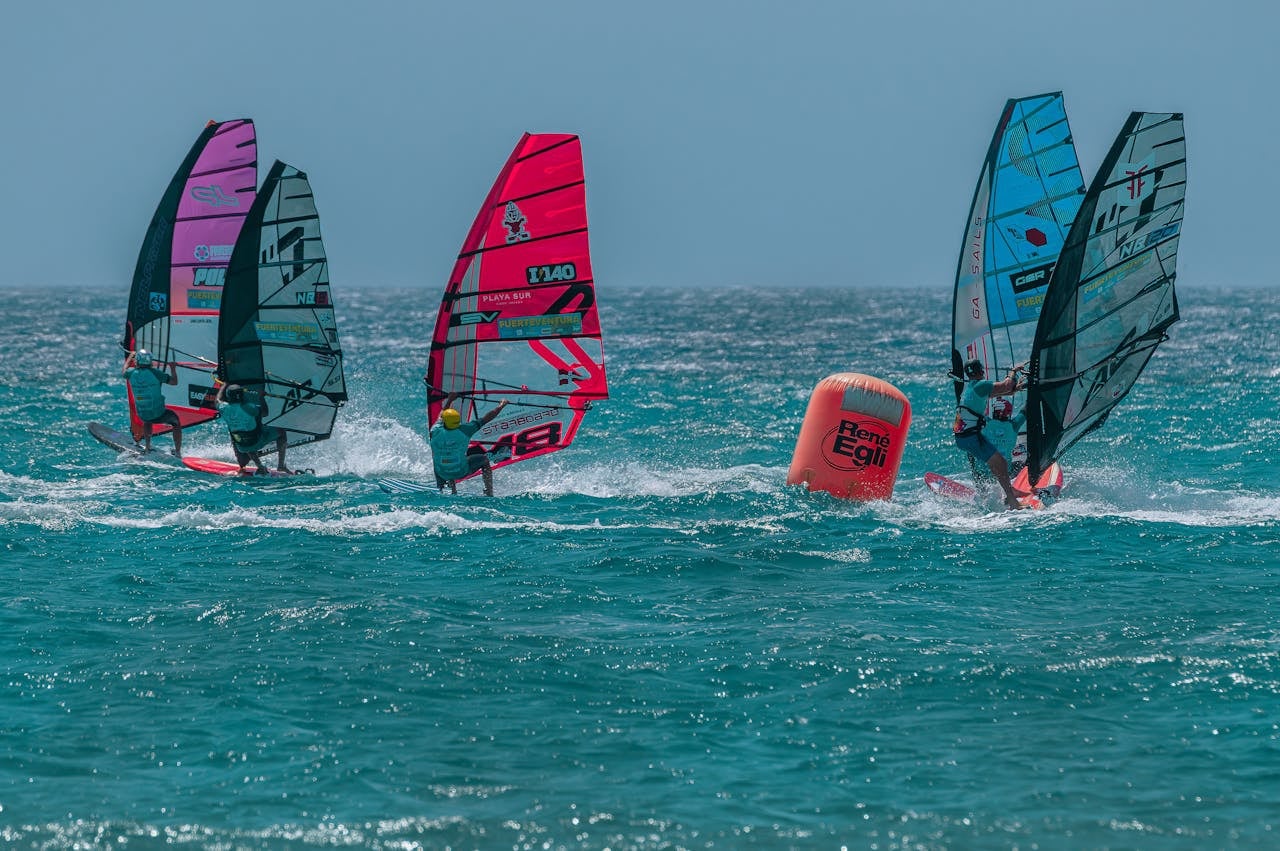
What makes Vargas so special and a firm favourite in certain circles? The wind. It is, by many reckonings, one of the best spots in the world for windsurfing. The consistent easterly or north-east winds, funnelled by the nearby mountains, create perfect conditions for wave sailing. Back in the day, the beach even hosted major PWA Windsurfing World Cup events. On a good day, the sea is alive with sailboards carving through waves, spray glinting in the light, and experts pushing their limits.
Yet Vargas isn’t just about high-octane sport. There’s a modest campsite tucked just behind the shoreline where tents can be pitched close to the sound of the sea. It’s a rare thing: camping almost on the sand. For some, that closeness to nature is everything, though you must be prepared for the wind, which doesn’t always take a day off.
Facilities are minimal. There is no lifeguard, and access is down a track rather than a boardwalk. Disabled access is very limited, due to the rocky terrain, and there are no big cafés or restaurants right on the beach. But there is a small toilet block and a shower. Parking is also possible, though spaces are limited
If you plan to come for swimming, do so with caution. Vargas is not a placid bay. The waves can be moderate to strong, and the wind can whip up choppier conditions. On windy days, water sports zones are clearly marked making it wise to heed the signs and stay clear if you’re not on a board. That said, in the calmer winter months when the wind eases, the beach can feel surprisingly peaceful, especially around sunrise when the light softens.
Part of the charm of Vargas is its sense of isolation. It’s not over-developed: there are no beach bars or sun-loungers, no flashy resorts intruding on the view. That isolation has drawn a certain kind of visitor — windsurfers, van-lifers, people who want to sleep under the stars, or simply escape to a coast with character.
Because of its natural setting, Vargas is also quietly scenically rich. From the pebbly shore you can glimpse the traditional Salinas de Bocacangrejo (saltpans) nearby, which hint at a history of manual salt extraction and slow coastal life. And if you’re up for a walk, the cliffs and coastline around Vargas reward you with rugged views and a sense of elemental place that’s rare on a crowded tourist island.
In short, Playa de Vargas is a breath of wild air on Gran Canaria’s east coast. It won’t suit everyone – sun and fun worshippers may sigh at the lack of golden sand and entertainment, and families with small children might prefer gentler shores. But for windsurfers, campers, and travellers craving places with soul, it’s a gem.