Patalavaca
A laid-back coastal pocket where time slows, sea glows, and visitors quietly fall in love
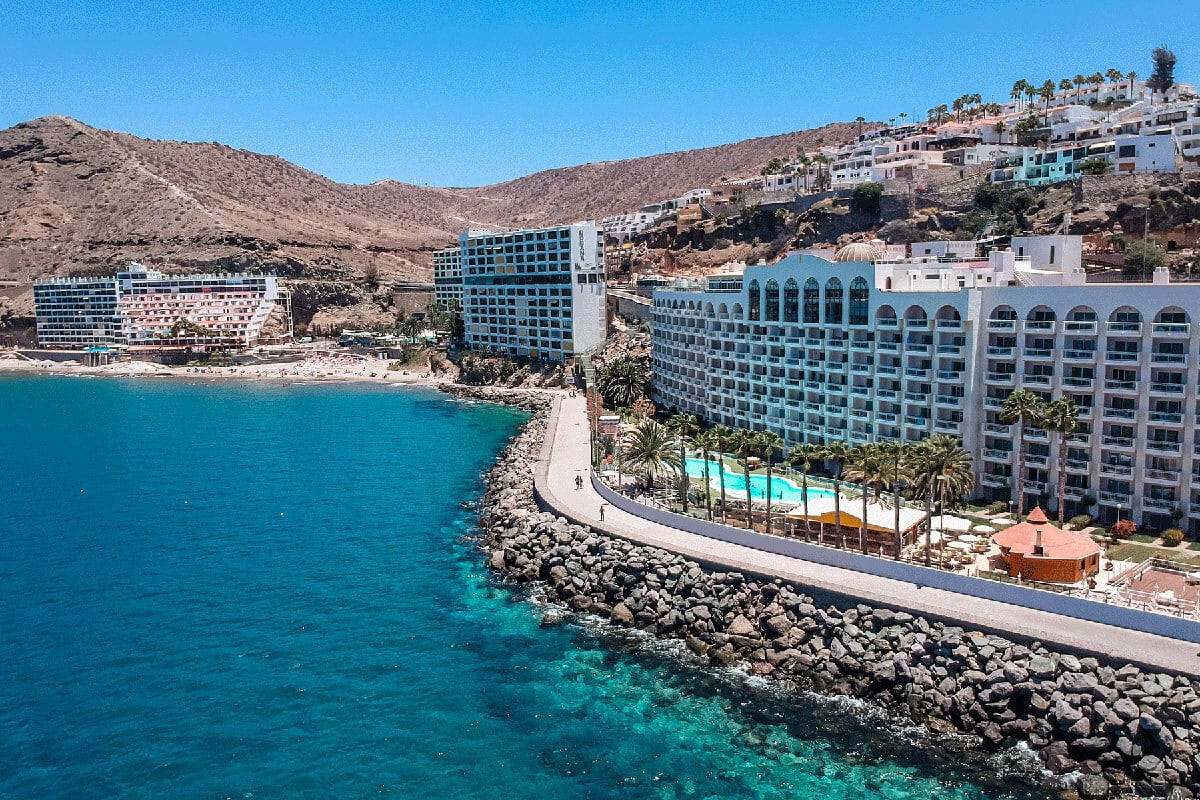
If you skim the south-west coastline of Gran Canaria too quickly, you might miss Patalavaca altogether. That would be a pity. This ribbon of sun-warmed shoreline, tucked neatly between Arguineguín and Anfi del Mar, is one of the island’s most quietly charismatic enclaves. Patalavaca doesn’t boast. It doesn’t compete. It simply exists in that effortless, slightly scruffy, wonderfully genuine way that only long-standing beach communities can.
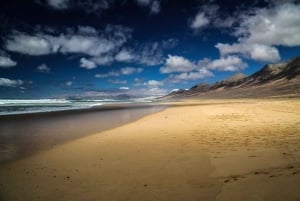
The first thing you notice is the calm. Even the ocean here seems to take a more leisurely approach, gently rolling in rather than arriving with any dramatic fanfare. Patalavaca’s beach - two sandy crescents split by a rugged headland - is the town’s heartbeat. You’ll find locals staking out sunrise swimming spots and winter sun-seekers claiming sunbeds in a ritual that’s silent but somehow communal. There’s a soothing predictability to the day’s rhythm, the sort that makes your shoulders drop without realising.
The promenade is small but exceptionally well-used. A string of restaurants and cafés runs along the seafront, each with its own version of ‘the best view in Patalavaca’. By late afternoon, the whole strip becomes a gallery of people-watching - retirees strolling hand-in-hand, families drifting toward early dinners and sun-flushed visitors ordering one last cerveza before surrendering to the evening glow. And what a glow it is - sunsets here are a warm, peach-coloured affair that settle over the horizon like a soft sigh.
Despite its modest size, Patalavaca has an intriguing cultural flavour. It shares much of Arguineguín’s Norwegian influence, meaning you’re as likely to stumble into a Scandinavian bakery as a Canarian tapas bar. It’s a blend that somehow works - cinnamon buns for breakfast, octopus for lunch, and a perfectly chilled local Tropical beer at sunset.
Development in Patalavaca has been slow and steady, resulting in a mix of older apartment blocks, renovated hotels, and modern holiday complexes that cling to the hillside like sunbathing lizards. Many offer sea views that would make even the most committed city dweller briefly consider relocating permanently.
For beach lovers, Patalavaca is a gift. The sand is soft, the water reliably clear, and the atmosphere pleasantly un-hurried. Those craving postcard-white sand can stroll ten minutes to Anfi del Mar, while those who prefer a more local experience can wander towards Arguineguín’s quieter coves. Everything is close enough to walk, yet far enough that each area carries its own personality.
What Patalavaca does exceptionally well is balance. It’s peaceful without being remote, relaxed without being dull, friendly without being overwhelming. It’s the kind of place you come for a couple of nights and end up staying for a week. Or a month. Or a winter. The kind of place where you read more books than emails. Where the biggest decision you’ll make all day is whether to sit in the sun or the shade.
It won’t shout for your attention. But settle in, slow down, and let the town unfold naturally and you’ll understand exactly why so many people return year after year.