Aguimes
Agüimes, Gran Canaria: Where Time Wears a Smile

If Playa del Inglés is a glittering postcard, Agüimes is the hand-written note on the back - slower, more personal, full of charm and a dash of humour.
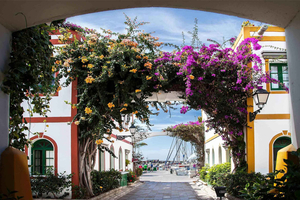
This honey-coloured town sits quietly among palm-dotted valleys and goat trails, its cobbled lanes leading you past carved doors, bronze statues and the scent of roasting coffee.
The town grew from an old bishopric dating back to the 15th century, and its historic centre still wears the past beautifully. To learn more about its past, visit the Agüimes History Museum housed in the handsome Episcopal Palace. Nearby, you'll also discover aged houses built from warm volcanic stone, their wooden balconies draped with geraniums. The Church of San Sebastián, with twin bell towers that seem to glow at sunset, anchors the square - a perfect spot for a lazy cortado while locals debate football scores and politics in equal measure.
Wander a little and you’ll bump into bronze sculptures at every turn: a gossiping couple, a goat herder, even a naked bather or two. The locals call them vecinos de bronce - the bronze neighbours - and they give the place a playful soul, somewhere between outdoor art gallery and open-air museum.
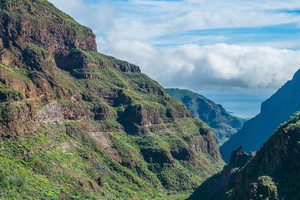
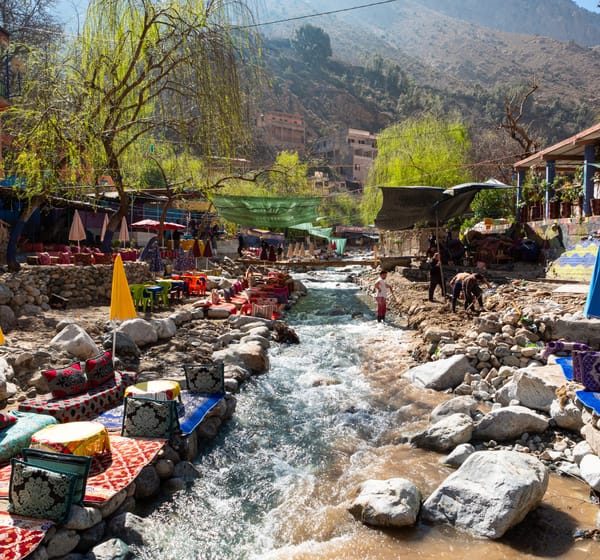
Beyond the old town, Barranco de Guayadeque carves a deep green scar through the landscape. This dramatic ravine, dotted with cave dwellings and palm groves, is where you’ll find restaurants literally built into the cliffs. Order local goat cheese, papas arrugadas (salt-wrinkled potatoes) and a jug of wine grown on the slopes above, the kind of lunch that unravels all sense of time.
Agüimes isn’t built for spectacle; it’s built for subtle pleasures - wandering, chatting, sitting. It’s where you go when you’ve had enough of poolside playlists and crave something genuine, earthy, and warm.
And when the sun drops behind the mountains, the air smells faintly of fig leaves and dusted stone, a reminder that Gran Canaria’s heart beats just as quietly as it does loudly.
Aguimes - FAQs for Visitors
Where is Agüimes?
In the southeast of Gran Canaria, about 30 km from Las Palmas and 15 km inland from the coast at Arinaga.
What’s the town famous for?
Its beautifully preserved historic quarter, outdoor bronze sculptures, and the Guayadeque ravine with cave houses and restaurants.
Is there a bus service from Maspalomas?
There is, but no direct service. Take Bus 66 or 90 from Maspalomas Bus Station to Cruce de Arinaga and change there for Bus 22 or 25 heading up to Agüimes. Anticipate a total journey time of around 1-hour, 15-minutes.
Can you drive there from Maspalomas?
Sure thing. It's about 35km and takes around 25030 minutes, depending on traffic. Fastest route is via the GC-1 motorway northbound (towards Las Palmas), then exit at Cruce de Arinaga (Exit 25) and follow signs uphill to Agüimes pueblo.
Is parking easy?
Yes. Free street parking around the old town and larger car parks near the church and visitor centre.
When’s the best time to visit?
Year-round. The climate’s dry and sunny, but spring and autumn bring comfortable warmth for exploring on foot.
Is Agüimes touristy?
Not in the beach-resort sense. It’s popular with day-trippers and culture seekers, but it still feels authentically Canarian.
What’s the vibe?
Calm, friendly and slightly old-fashioned, in the best possible way. A place where you’ll be greeted with a nod and a smile.
Is it good for hiking?
Yes. Several marked trails lead through the Guayadeque ravine and up towards Temisas, offering sweeping island views.
Why visit Agüimes at all?
Because it’s the antidote to resort fatigue - a pocket of real Canarian life, where bronze goats outnumber selfie sticks and time moves to the rhythm of church bells and café spoons.